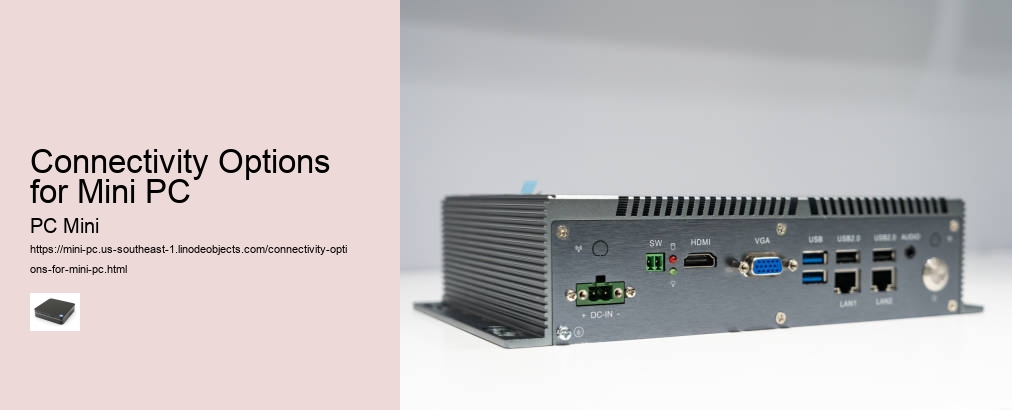
Mini PCs are versatile computing devices that offer a wide range of connectivity options to suit the needs of different users. These compact computers may be small in size, but they pack a punch when it comes to connecting to other devices and networks.
One of the most common connectivity options for Mini PCs is Wi-Fi, which allows users to connect to wireless networks and access the internet without the need for physical cables. This makes it easy to set up the Mini PC in any location without worrying about being tethered to a router.
In addition to Wi-Fi, Mini PCs also often come equipped with Bluetooth technology, which enables users to wirelessly connect peripherals such as keyboards, mice, and speakers. This eliminates the need for cumbersome cords and cables cluttering up your workspace.
For users who require faster and more stable internet connections, some Mini PCs also feature Ethernet ports that allow for wired network connections. This can be especially useful for tasks that require high bandwidth or low latency, such as gaming or video editing.
Furthermore, Mini PCs often come with a variety of USB ports that can be used to connect external storage devices, printers, cameras, and other peripherals. This provides users with flexibility in expanding the capabilities of their Mini PC based on their unique needs.
Overall, Mini PCs offer a robust selection of connectivity options that cater to a wide range of user preferences and requirements. Whether you prefer wireless convenience or wired reliability, there is likely a Mini PC out there that will meet your specific connectivity needs.
USB ports are an essential feature when it comes to connecting peripherals to your mini PC. These ports provide a convenient way to hook up devices such as keyboards, mice, printers, external hard drives, and more. With USB technology becoming increasingly common in today's digital world, having multiple USB ports on your mini PC can make a significant difference in terms of functionality and convenience.
One of the main advantages of USB ports is their versatility. They allow you to easily connect a wide range of devices without the need for specialized cables or adapters. This means that you can quickly switch between different peripherals depending on your needs, whether it be for work, gaming, or entertainment purposes.
Furthermore, USB ports are also known for their plug-and-play functionality, which makes them incredibly user-friendly. You can simply plug in your device and start using it right away without having to worry about complicated setup processes or driver installations. This seamless experience adds to the overall convenience of using USB ports with your mini PC.
In addition to their ease of use, USB ports also offer fast data transfer speeds and reliable connectivity. This ensures that you can quickly transfer files between devices or stream media without any lag or interruptions. Whether you're backing up important documents or enjoying high-definition video content, having reliable USB connectivity is crucial for a smooth user experience.
Overall, USB ports play a vital role in enhancing the connectivity options of your mini PC. By providing a versatile, user-friendly, and reliable way to connect peripherals, they help maximize the functionality and usability of your device. So next time you're shopping for a mini PC, be sure to check for plenty of USB ports to ensure that you can easily connect all your favorite devices with ease.
When it comes to choosing the right video output for your Mini PC, two popular options that often come up are HDMI and DisplayPort. Both of these connectivity options offer high-quality audio and video transmission, but each has its own unique features and benefits.
HDMI, or High-Definition Multimedia Interface, is a widely-used standard for transmitting digital audio and video signals from a source device to a display device. It supports high-definition resolutions up to 4K and is compatible with most modern devices such as TVs, monitors, and projectors. HDMI cables are easy to use and widely available, making them a convenient choice for connecting your Mini PC to an external display.
On the other hand, DisplayPort is another popular video output option that offers similar capabilities to HDMI. DisplayPort supports high resolutions and refresh rates, making it ideal for gaming and multimedia applications. It also allows for daisy-chaining multiple displays together, providing added flexibility in setting up your workspace. Additionally, DisplayPort cables are known for their locking mechanism which ensures a secure connection between devices.
Ultimately, the choice between HDMI and DisplayPort will depend on your specific needs and preferences. If you require compatibility with a wide range of devices or prefer ease of use, HDMI may be the better option for you. However, if you value higher performance capabilities and additional features like daisy-chaining displays together, DisplayPort could be the ideal choice.
In conclusion, both HDMI and DisplayPort are excellent video output options for connecting your Mini PC to an external display. Whether you choose HDMI or DisplayPort will depend on factors such as compatibility, performance requirements, and personal preference. Whichever option you go with, both HDMI and DisplayPort will provide reliable audiovisual transmission for an enhanced computing experience.
An Ethernet port is an essential connectivity option for a mini PC when it comes to accessing a wired internet connection. This port allows you to connect your mini PC directly to your router or modem using an Ethernet cable, providing a stable and reliable internet connection.
Unlike Wi-Fi connections, which can sometimes be prone to interference or signal dropouts, an Ethernet connection offers consistent speeds and reliability. This is especially important for tasks that require a high-speed internet connection, such as online gaming, video streaming, or large file downloads.
By utilizing the Ethernet port on your mini PC, you can ensure that you have a fast and secure internet connection at all times. This makes it ideal for situations where a stable internet connection is crucial, such as in office settings or when working from home.
In conclusion, the Ethernet port is a valuable connectivity option for mini PCs that require a reliable wired internet connection. By utilizing this port, you can enjoy faster speeds and greater stability compared to wireless connections. So if you're looking for seamless connectivity options for your mini PC, be sure to take advantage of the Ethernet port.
Wi-Fi and Bluetooth are two popular wireless connectivity options for mini PCs that provide users with the convenience of connecting to the internet and other devices without the need for physical cables.
Wi-Fi, also known as wireless fidelity, allows mini PCs to connect to a local network or the internet using radio waves. This technology enables users to access online content, stream videos, download files, and communicate with others seamlessly. Wi-Fi is essential for those who want to stay connected while on-the-go or require mobility in their computing setup.
On the other hand, Bluetooth is a short-range wireless communication technology that enables mini PCs to connect to various peripherals such as keyboards, mice, headphones, speakers, and smartphones. This feature eliminates the hassle of dealing with tangled wires and allows for a clutter-free workspace. Additionally, Bluetooth can be used for sharing files between devices quickly and easily.
Both Wi-Fi and Bluetooth offer reliable and secure connections that enhance the overall user experience of mini PCs. These technologies have become standard features in modern computing devices due to their convenience and versatility. Whether you're browsing the web or streaming music from your smartphone, Wi-Fi and Bluetooth provide seamless connectivity options that make using a mini PC a breeze.
When it comes to connectivity options for mini PCs, audio jacks for speakers and headphones play a crucial role in providing users with the ability to enjoy high-quality sound output. These audio jacks allow users to easily connect their external speakers or headphones to their mini PC, enhancing their overall multimedia experience.
Whether you are looking to listen to music, watch movies, or play video games, having audio jacks on your mini PC gives you the flexibility to use different types of audio devices based on your preferences. By simply plugging in your speakers or headphones into the appropriate jack, you can instantly immerse yourself in crisp and clear sound without any hassle.
Furthermore, audio jacks for speakers and headphones offer versatility and convenience by allowing users to switch between different audio output devices effortlessly. Whether you want to enjoy a private listening experience with headphones or share your favorite tunes with friends using external speakers, these audio jacks make it easy for you to customize your sound setup according to your needs.
In conclusion, having audio jacks for speakers and headphones as connectivity options for mini PCs enhances the overall user experience by providing seamless access to high-quality sound output. Whether you are a music enthusiast, movie buff, or avid gamer, these audio jacks give you the freedom to enjoy immersive sound no matter where you are. So next time you're setting up your mini PC, don't forget to take advantage of these essential connectivity options for an enhanced multimedia experience.
Expansion slots are essential for adding additional hardware components to a Mini PC. These slots provide the flexibility to customize and upgrade the system according to your needs. Whether you want to add more storage, improve graphics performance, or enhance connectivity options, expansion slots offer endless possibilities.
One of the most common types of expansion slots found in Mini PCs is the PCIe slot. This slot allows you to install various expansion cards like graphics cards, network adapters, sound cards, and storage controllers. With a PCIe slot, you can easily boost the performance of your Mini PC by adding high-end components tailored to your specific requirements.
Another popular type of expansion slot is the M.2 slot, which is commonly used for installing solid-state drives (SSDs). By utilizing an M.2 slot, you can significantly increase the storage capacity and speed of your Mini PC without taking up valuable space inside the chassis.
Furthermore, Mini PCs often come equipped with USB ports for connecting external peripherals such as keyboards, mice, printers, and external hard drives. These ports enable seamless integration with a wide range of devices to enhance productivity and convenience.
In conclusion, expansion slots play a crucial role in expanding the capabilities of a Mini PC by allowing users to add new hardware components and upgrade existing ones. Whether it's improving graphics performance for gaming or increasing storage capacity for multimedia content creation, expansion slots provide endless opportunities for customization and optimization.
When it comes to connectivity options for mini PCs, there are a few key features that you should keep in mind. Firstly, it's important to consider the variety of ports available on the device. This includes USB ports for connecting external devices such as keyboards, mice, and printers, as well as HDMI or DisplayPort for connecting to monitors or TVs.
Another important feature to consider is wireless connectivity options such as Wi-Fi and Bluetooth. These allow you to connect your mini PC to the internet without needing a physical Ethernet cable, as well as pair with other devices like speakers or headphones.
Additionally, some mini PCs may offer additional connectivity features such as SD card slots for expanding storage capacity, audio jacks for connecting headphones or microphones, or even Ethernet ports for a more stable internet connection.
Overall, when choosing a mini PC based on its connectivity options, it's important to consider your specific needs and how you plan to use the device. Whether you require multiple USB ports for peripherals or fast Wi-Fi speeds for streaming content, having a good understanding of the key connectivity features will help you make an informed decision.